Home  ·  Who It's For

Who it's for

Nine reasons people call us.

Some arrive because something is going wrong. Just as many arrive because something big is about to happen and they want to know whether the organization can carry it. Find the one that sounds like you, and it will tell you which assessment to start with.

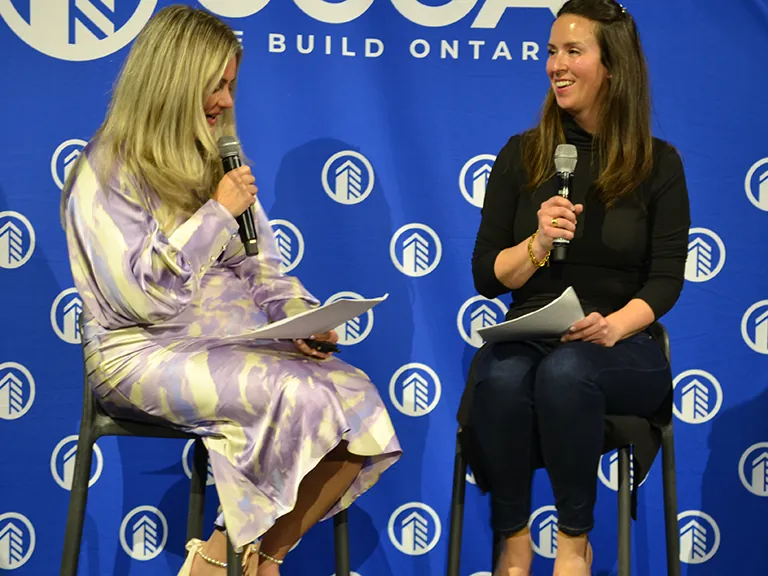
Leslie Dibling and Agnes Watkinson in conversation on stage

Do any of these sound like you?

Nine starting points, and the assessment that answers each.

This list keeps growing, and it isn't ours to close. If your reason isn't here, it is still worth a call.

Recover margin you are already paying forThe revenue is there and the margin isn't. You suspect the answer is operational rather than commercial, but nobody can point at it.
Alignment Check
Work out why a strategy has stalledThe plan was right. It was signed off. Eighteen months on, very little of it has actually happened.
Run both
Name something you can only feelNothing is obviously broken. Something is off, you have known it for a while, and you cannot put it into words a board would accept.
Alignment Check
Make a succession or promotion call with evidenceTwo internal candidates, one seat, and a decision you will have to defend. Or a founder starting to think about stepping back.
Leadership Simulation
De-risk a major change or digital transformationThe capital is approved. Nobody has checked whether the organization can absorb what is coming.
Run both
Benchmark assets across a portfolioThirty or forty holdings, one scale, and a way to see which are structurally healthy and which are carrying cost.
Alignment Check
Run human-capital diligence on a dealYou are underwriting a management team's ability to execute a plan. Reference calls are not evidence.
Leadership Simulation
Shorten the holdValue creation is behind schedule and you need to know whether the constraint is the market, the model, or the people running it.
Run both
Nothing bad is happening — you'd just like a checkupA perfectly good reason. An annual read gives you a baseline, and drift shows up as a movement in the index long before it reaches the reporting pack.
Run both
Need help narrowing it down? The router takes about two minutes and tells you which assessment fits your situation — or book the call and we'll tell you on the phone, including if the answer is neither.

Want the detail on either assessment? See what we do →

Three ways people work with us

Investors, operators, and the firms that serve them.

Route one

Private equity

The model assumes the team can execute it. Financial, commercial and legal diligence are rigorous; the operating team is usually assessed through reference calls and a read of the room.

How it startsPilot one holding. If the number holds up, the same template runs across the portfolio.
  1. Pre-closeRead the management team against the plan you are underwriting, before price and structure are fixed
  2. First 100 daysBaseline the asset and decide where the operating partner's time earns most
  3. Annual reviewOne index per holding, same scale, year over year
  4. Pre-exitClose bench gaps and show the organization scales beyond its founders
Route two

CEOs, COOs and boards

You are accountable for a plan whose delivery depends on people you cannot fully see. The diagnostic gives you evidence instead of impressions.

How it startsA scoping conversation, then four to six weeks to an executive-ready report.
  • Fund the plan properly.Risks priced, champions named, and a rollout that absorbs the response rather than being surprised by it
  • Build your own capability.A real baseline, a champion network, and a roadmap your team runs in-house
  • Defend a decision.A succession or restructuring call with evidence behind it
Route three

Technology & integration partners

Software vendors, systems integrators, digital and AI consultancies. You already know the number one obstacle in every deployment is the people — what you don't have is a way to measure it before scope is fixed.

How it startsRun before or alongside your own discovery, co-branded or white-labelled. We stay out of the platform decision entirely.
  • A pre-implementation read on adoption riskNamed and located, before your statement of work is signed
  • Which of the client's leaders will champion the rolloutAnd which will stall it
  • A neutral third partyMaking the people case, so it does not read as you upselling change management

Start here

Six weeks from now, you could know the number.

Thirty minutes, no obligation. We ask what's going on, tell you whether a health check is the right instrument, and if it isn't, we say so.